
Maryam turkey
Maryam turkey
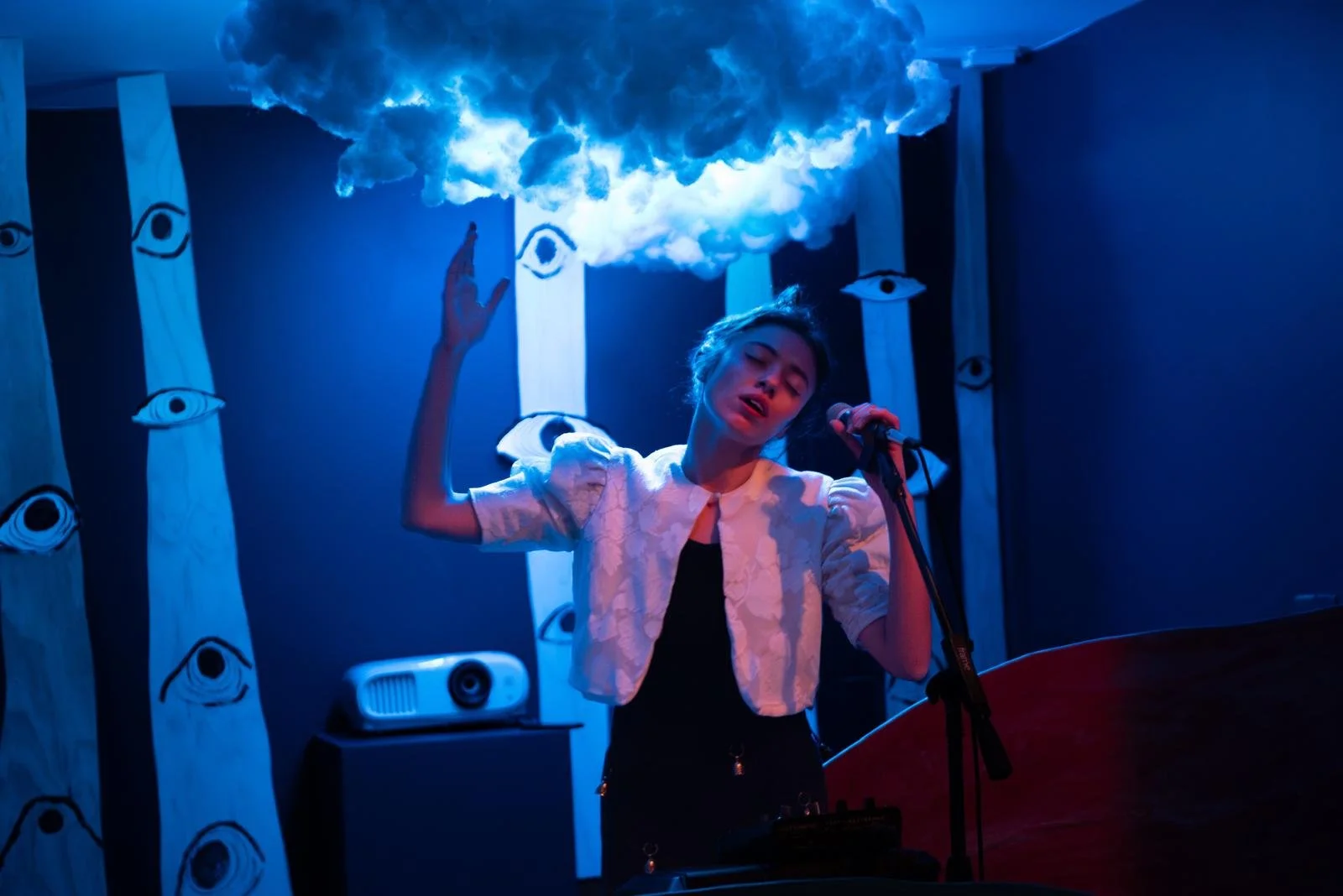
Maryam Turkey announces her debut album, Hiragt El Rouh, out February 9, 2027 via Otherly Love
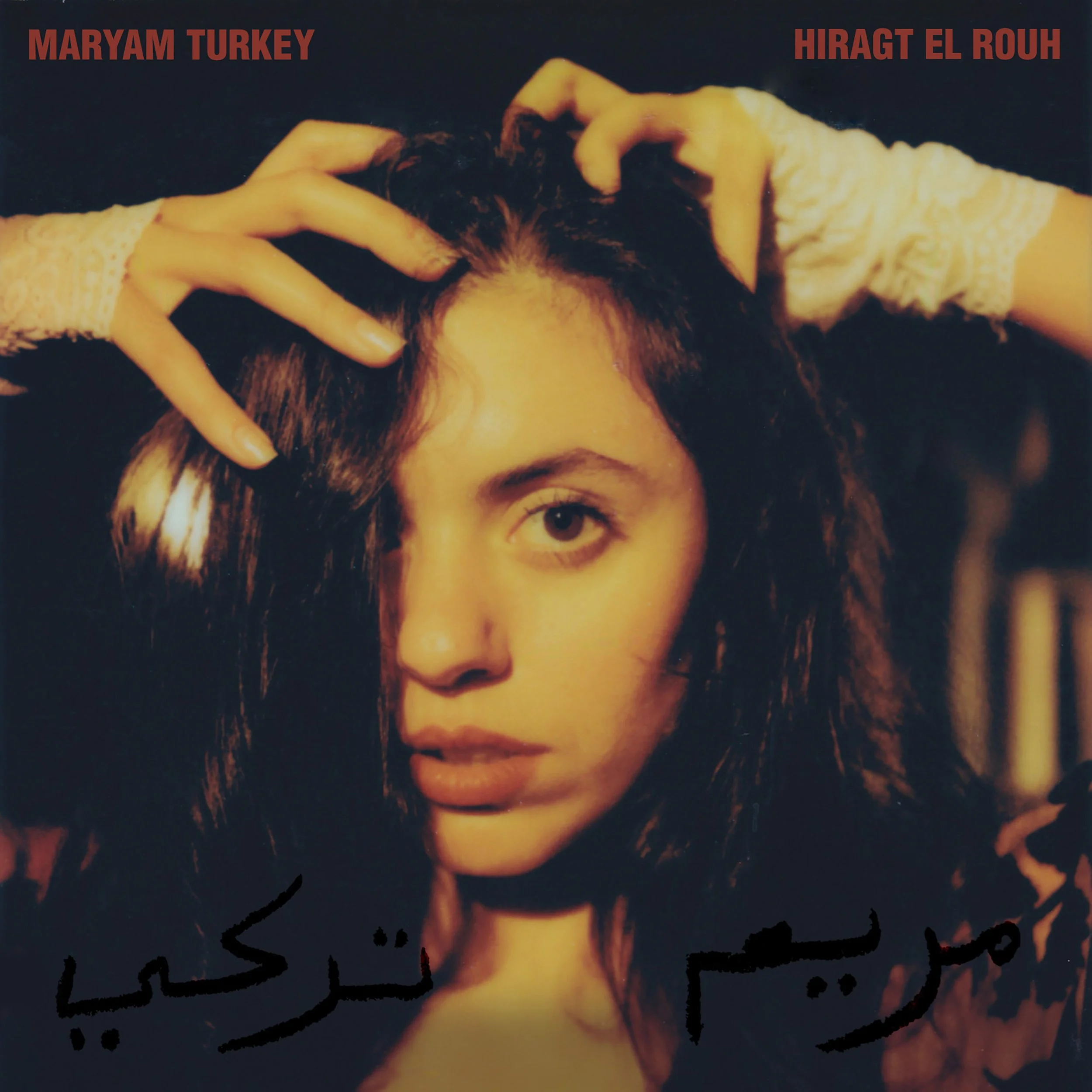
Listen to the title track and lead single “Hiragt El Rouh” via Bandcamp.
Releases everywhere 2.9.2027
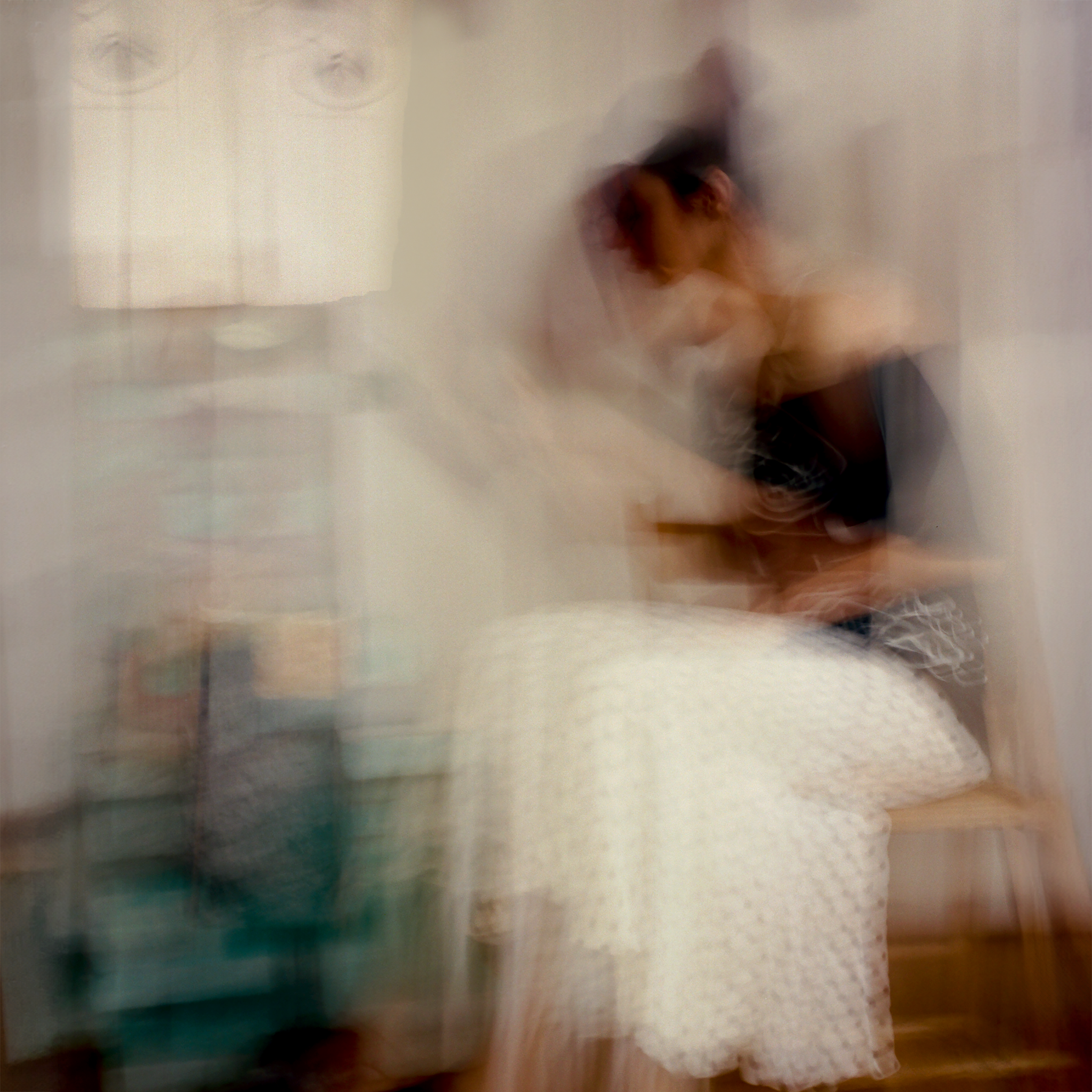
Listen to “Ya Amma”
Now Streaming Everywhere
“Ya Amma”
The second single from Maryam Turkey’s upcoming full-length Hiragt El Rouh.
An artful pastiche of Iraqi, Egyptian and Lebanese folk traditionals reimagined as driving, eclectic odes to the memory of her homeland and the American culture of her late youth and adulthood, Maryam Turkey's Hiragt El Rouh evokes a world all its own.
"Ya Amma" — translating to “Auntie” — draws its lyrics from a traditional Iraqi song about an aunt’s disapproval of love: “what kind of aunt are you? You don’t understand me.”
"The aunt represents the face of society: close enough to the family while projecting society’s restrictions. For me, the song speaks to my love of singing and the disapproval of women singing among my extended family back home, an ongoing battle I am still navigating."
More Info
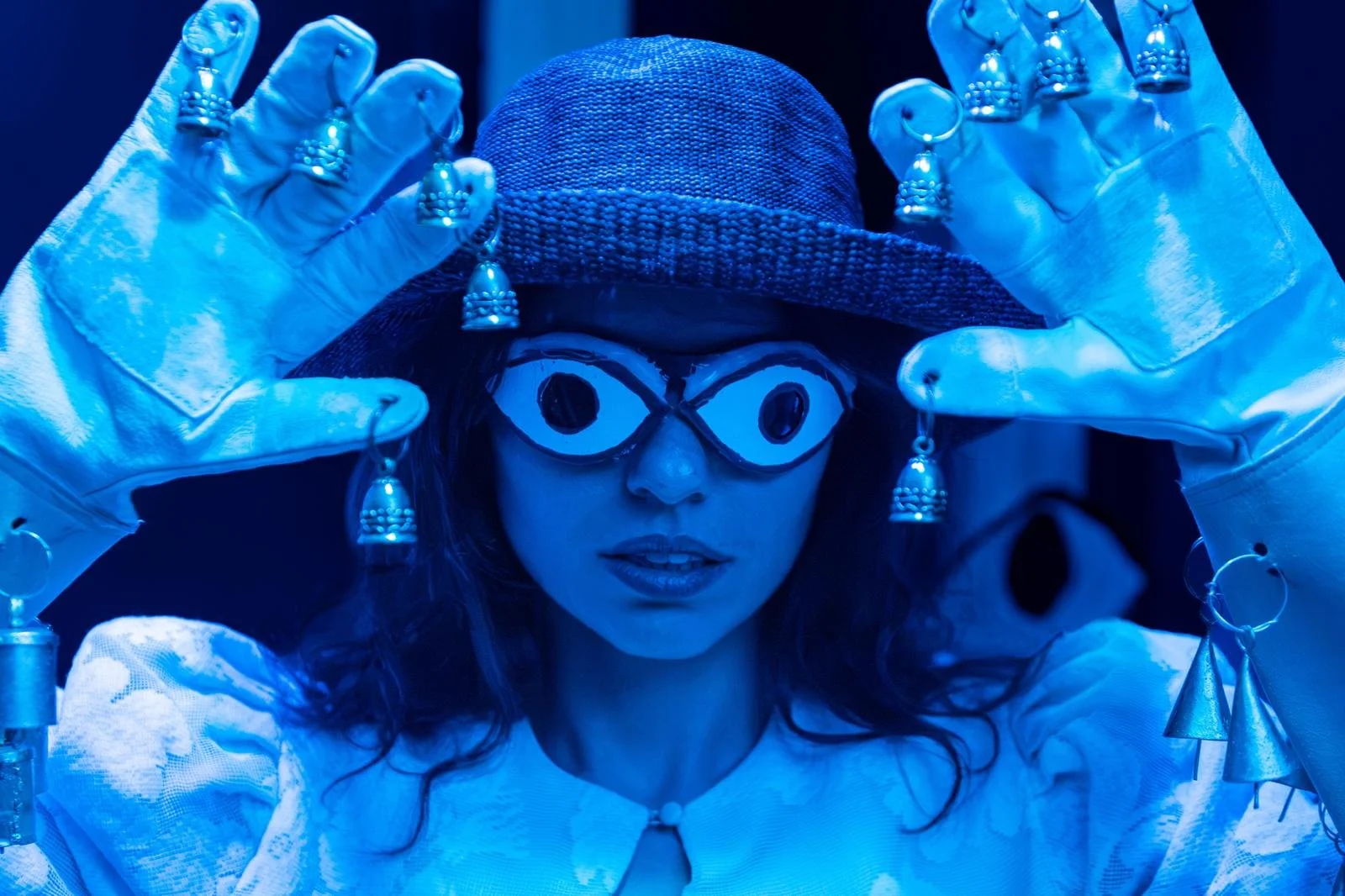
Maryam Turkey knows a great deal about transformation. A celebrated visual artist who crafts clay into large, immersive sculptures that mirror domestic environments washed with colors of all hues, Turkey has spent the better part of the last decade using her hands to reanimate earth into new forms. Her debut LP, ‘Hiragt El Rouh’, out on (date) via Otherly Love, deals in alchemy and reanimation, too. An artful pastiche of Iraqi, Egyptian and Lebanese folk traditionals reimagined as driving, eclectic odes to the memory of her homeland and the American culture of her late youth and adulthood, ‘Hiragt El Rouh’ evokes a world all its own.
Turkey spent the first half of her childhood in Iraq before her family immigrated to the US following the outbreak of war in the early 2000s. She recalls feeling musical as a child, but her earliest creative explorations were with the materials she was sent home with after visiting artist studios with her father for his work as a photographer. In her late teens she moved to NYC to study industrial design at Pratt, and fell into a rhythm attending shows in the city in the evenings, eventually meeting her collaborator, instrumentalist Will Graefe, who co-produced and played guitar on her first single “This Place,” and later Jesse Harris, who helped her fully realise her 2024 EP ‘Ahlam.’
In that time Turkey also found a friend and collaborator in Benjamin Lazar Davis, who began sending her recordings of sessions he’d had with instrumentalists including Graefe and Kenny Wollesen in his studio in Los Angeles to see if anything sparked her interest. Soon enough, Turkey flew to LA to spend two weeks in the studio with Davis, piecing together the collection of songs that would become ‘Hiragt El Rouh.’
Swirling through time, space and place in a hypnotic, ethereal haze ‘Hiragt El Rouh,’ reanimates a number of traditional Iraqi folk songs through the lens of its diaspora. Breathing new life into these old songs meant reconciling with the world that created them, “these songs reflect an older, more conservative culture–it’s all forbidden love and loss and not being able to be with your partner because your family doesn’t approve,” says Turkey. In her reinterpretations, that lyric intensity is transformed into a more timeless embodiment of that depth, where inhabiting that longing is a way of integrating the past.
“I burned my soul when I lost them/I cried and with my tears I drowned them,” translated from the Arabic that Turkey sings in, these lyrics from the album’s title track imbue its lively sonic world with an earnest intensity and grief. “It’s timeless, and deeply human” says Turkey, “I imagine it speaking to a young girl in Iraq, or in the US.”
On ‘Hiragt El Rouh’, Turkey also sings directly to the diaspora through her approach to vocal delivery. “I’m not a traditional arabic singer,” she says, noting the lessened presence of the ornate melaisma and microtonality that is usually characteristic of music from the region. The album does however feature the stringed qanun and the tabla, a goblet shaped drum, played by Benny Bock and guitar played through arabic influenced contemporary pedals by Will Graefe. On album opener “Ya Amma,” Turkey’s voice emerges through layers of air, reverberant strings, synth pads and frothy doubled vocals, placing her many worlds away from the tape-hiss patined recording of the Lamiya Toufik performing the song in the middle of the 20th century. She says she doesn’t know if older generations will embrace these new songs, or if they’ll know what to do with them–she recently traveled back to Iraq for the first time in eighteen years, just as the war in Iran began to disrupt the region, and played her music for friends and family of all generations.
“I got two very strong responses” she says, “but it resonated with the younger generation. I think the record is needed in Iraq.” She says that popular Arabic music can often feel overprocessed, with inorganic vocals layered on top of rigid, mechanical beats, and that there’s a real nostalgia for a more human era of Iraqi music.
For Turkey, the work of her art is building a bridge inside of herself–one that makes room for that nostalgia and honors it, and that integrates the experiences of a life also spent immersed in western culture. “It’s that fusion that speaks to young Iraqis and Arabs,” says Turkey, “a representation of that dual life of being here in the west and inhabiting our heritage through culture and memory.”
When speaking about the emotional core behind Hiragt El Rouh, Turkey references a poem from writer Mahmoud Darwish–“I am from there. I am from here. I am not there and I am not here. I have two names, which meet and part, and I have two languages. I forget which of them I dream in.” It’s the world she inhabits on the album’s final track “Shakhabeet,” where she weaves Arabic and English as she asserts her inspiration. “I just wanted to sing these songs in my own way,” she elucidates, continuing “I’m not here to carry the weight of colonization or to try to fix it, I’m here to reclaim my lost childhood through art…creativity and playfulness are the forms of my resistance.”
It’s a poetic culmination to a record that feels warm, evocative and vital, one that engages with anticipation and energy, transmuting off-kilter percussion, Turkey’s dynamic vocals, and resonant arrangements into a realm where her realities, memories and dreams can coexist. Given that Turkey’s visual art is so often about what it means to build and to destroy, to deconstruct and refigure, it only makes sense that her music alchemizes that same query. To live between two worlds is a “blessing and a curse,” says Turkey, “you never feel completely at home, and that pushes you to create your own sense of home. In a way, the home you create is the truest home you can have.”